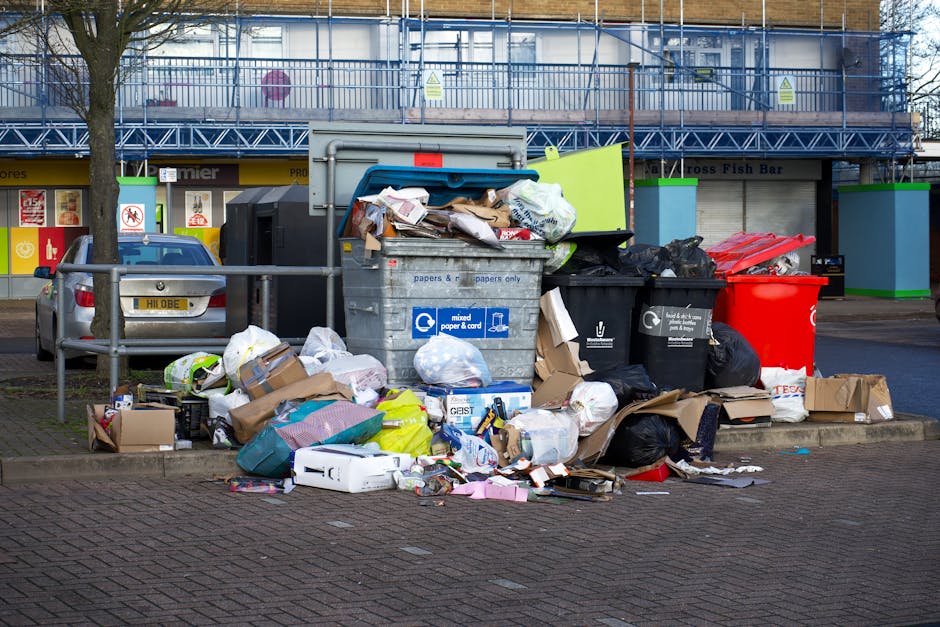
Avoid hidden rubbish removal charges in Southend on Sea
If you have ever asked for a rubbish removal quote and then watched the final bill creep up, you are not alone. Hidden fees can turn a simple clear-out into a frustrating, expensive job, and in a busy place like Southend on Sea, that can feel like a proper nuisance. The good news? Once you know what to look for, you can spot vague pricing, ask the right questions, and choose a service with far more confidence.
This guide explains how to avoid hidden rubbish removal charges in Southend on Sea, what fair pricing usually looks like, where surprise costs tend to appear, and how to compare providers without getting lost in the fine print. If you are planning a house clearance, office tidy-up, garden waste job, or a one-off bulky item collection, this is the sort of practical stuff that can save you money and a fair bit of stress.
Quick takeaway: the cheapest quote is not always the best value. A genuinely transparent rubbish removal service should explain loading time, weight limits, item types, access issues, disposal fees, and VAT before anyone arrives.
Table of Contents
- Why hidden rubbish removal charges matter
- How rubbish removal pricing usually works
- Key benefits of getting pricing right
- Who needs this and when it makes sense
- Step-by-step guidance for avoiding surprise costs
- Expert tips for better results
- Common mistakes to avoid
- Tools, resources and recommendations
- Law, compliance and best practice
- Options and comparison table
- Real-world example
- Practical checklist
- Conclusion
- Frequently asked questions
Why hidden rubbish removal charges matter
Hidden charges matter because rubbish removal is often booked under pressure. Maybe the garage is overflowing, the builder is due tomorrow, or the landlord wants a flat cleared before keys change hands. When time is tight, people tend to skim the quote and trust the headline price. That is exactly where extra costs can slip in.
In practical terms, surprise charges usually do one of three things: they raise the total bill, they create awkward disputes on collection day, or they leave you feeling pushed into paying for something you did not properly agree to. None of that is ideal, especially when the job itself is already physically messy. There is enough dust, lifting, and noise without having to argue about the invoice too.
There is also a trust issue. Transparent pricing tells you a lot about the business behind the van. If a provider is clear about what is included, what is not, and how the quote may change, that usually suggests stronger operations and better customer care. If they are vague? Well, that is often a small warning light, even if the salesperson sounds very polished.
For local customers in Southend on Sea, this matters even more because jobs can vary a lot. A clear-out in a top-floor flat near the seafront is not the same as a straightforward driveway collection in a quieter street. Access, parking, timing, and item mix can all affect the real price, which is why the quote needs to be properly explained rather than guessed.
How rubbish removal pricing usually works
Most rubbish removal services price jobs using a mix of factors rather than one flat rate. That is normal. What is not normal is leaving those factors unexplained and hoping the customer will not notice. A solid quote should tell you how the price is built up, even if the final number depends on the load seen in person.
The usual pricing elements include:
- Volume of waste: how much space your items take up in the vehicle.
- Weight: heavy materials such as rubble, soil, or tiles can cost more than lighter household waste.
- Waste type: general rubbish is not priced the same as appliances, mattresses, or restricted items.
- Access: stairs, long carries, no parking, or awkward entry points can add time and labour.
- Loading time: some providers include a set time window and charge more if the job runs over.
- Disposal and recycling costs: certain materials may have higher gate fees or handling requirements.
A clear quote should separate what is included from what is conditional. For example, it may cover loading and disposal, but not extra labour for removing items from the loft. Or it may include a standard amount of mixed waste, but not hazardous materials. That is fair enough if it is stated clearly. The trouble starts when the quote sounds all-inclusive but is not.
A good rule of thumb: if the provider cannot explain the price in plain English, you probably should not book on the spot.
Key benefits and practical advantages
Getting pricing right is not just about avoiding annoyance. It also improves the whole removal process from start to finish. Once the cost is clear, you can plan what to keep, what to bin, and what to move before the team arrives. That sounds simple, but it makes a real difference on the day.
- Better budgeting: you know what the job will cost before you commit.
- Less stress: no last-minute haggling at the kerbside.
- Faster decision-making: you can compare providers on like-for-like terms.
- Fewer disputes: everyone understands the scope of work.
- Better value: a slightly higher but transparent quote can be cheaper overall than a low quote with extras.
- More suitable service choice: you can decide whether you need full rubbish removal, general waste removal, or a more specific service such as builders waste clearance or garden clearance.
There is also a practical upside that people often overlook: clear pricing tends to make the collection itself smoother. When the provider knows exactly what they are taking, there is less back-and-forth on arrival. You get the driveway back, the room cleared, and the rest of your day back too. Nice, really.
Who this is for and when it makes sense
This advice is useful for almost anyone arranging rubbish removal in Southend on Sea, but it is especially important if you are dealing with a mixed or awkward load. A few examples make that obvious.
- Homeowners clearing lofts, garages, sheds, or spare rooms.
- Landlords and letting agents managing end-of-tenancy clear-outs.
- Small businesses disposing of office furniture or archived clutter.
- Tradespeople needing regular builders waste collection.
- Families dealing with bulky items like sofas, beds, or broken appliances.
- Anyone in a flat or tight-access property where labour and access can change the final price.
It also makes sense if you have items that need special handling. A fridge, a mattress, or certain hazardous items can involve different disposal routes, and that should be reflected in the price from the outset. If you are dealing with white goods or awkward furniture, it is worth checking whether the service has dedicated options such as fridge and appliance removal or mattress and sofa disposal.
Truth be told, the biggest pricing mistakes often happen when people assume "rubbish is rubbish." It is not. A bag of light household waste, a stack of broken tiles, and a rusty fridge are all different jobs in the eyes of a removal team. The quote should reflect that.
Step-by-step guidance for avoiding surprise costs
Here is the most practical way to protect yourself from hidden rubbish removal charges in Southend on Sea. Nothing fancy. Just a sensible process that works.
- List everything you want removed. Be specific. "A few items" is not enough. Note whether the waste is general, heavy, sharp, awkward, or potentially restricted.
- Take photos from different angles. A couple of clear pictures usually help much more than a vague description. Include access points, stairs, alleyways, or parking constraints if they matter.
- Ask what the quote includes. Does it cover labour, loading, transport, disposal, VAT, and any congestion or parking issues? Ask directly.
- Ask what could change the price. A transparent provider should tell you the common triggers: extra weight, extra volume, item type, access problems, or waiting time.
- Check for minimum charges. Some providers charge a minimum job fee even for small loads. That is fine if you know upfront.
- Confirm how they handle additional items. If you add more on the day, how is it priced? By bag, by cubic yard, by vehicle load, or by time?
- Get the quote in writing. Even a simple email or booking confirmation is better than a verbal estimate with no detail.
- Read the terms before booking. A quick look at the terms and conditions can save a lot of headaches later.
A small but useful habit: compare more than one provider using the same information. If you give each company the same photos and item list, you will get a much fairer comparison. Otherwise, you are not really comparing the same job.
Expert tips for better results
Once you have the basics covered, there are a few experienced-level moves that tend to pay off.
- Separate light and heavy waste. If possible, sort out soil, rubble, or bricks from general junk. Heavy loads often change the price more sharply than people expect.
- Know your access limitations. A third-floor flat, a narrow stairwell, or a locked communal entrance can add time. Mention it early rather than hoping nobody notices.
- Ask about recycling. Providers that sort waste carefully may be able to offer better value on certain loads. Their recycling and sustainability approach can also tell you a lot about how they operate.
- Keep restricted items separate. If you have anything that might need special treatment, flag it before collection day.
- Be cautious with ultra-low quotes. Sometimes the cheapest advert is just a teaser rate. The real price appears when the crew arrives and sees the job. Funny how often that happens, isn't it?
- Choose the right service for the job. For example, a full household clearance is not the same as one bulky piece of furniture. If you only need one item removed, the right specialist page may be more suitable than a general booking. Consider furniture clearance or furniture disposal where appropriate.
Another tip from real-world experience: if a job has awkward access, say so in plain language. "The sofa needs carrying down two tight turns and there is no lift" gives a much better pricing picture than "it should be fine." It might be fine. Or it might not. Better to know now.
Common mistakes to avoid
People usually do not get caught out because they are careless. They get caught out because they are busy. Still, certain mistakes come up again and again.
- Accepting a price without knowing what it covers. A headline number is not enough.
- Ignoring access details. Stair carries, parking restrictions, and long walks to the vehicle can all matter.
- Forgetting about heavy waste. Builders waste, soil, and rubble often cost more than mixed light waste.
- Assuming every item is treated the same. A sofa and a washing machine may both be "bulky," but they are not priced identically.
- Not mentioning extra rubbish in advance. A couple of extra bags can change a small job noticeably.
- Overlooking service-specific pages. If you are clearing a loft, garage, or flat, a more targeted service may be the better fit, such as loft clearance, garage clearance, or flat clearance.
- Skipping the terms. Even a quick scan can reveal charges tied to waiting time, cancellations, or special waste types.
One small irritation worth mentioning: sometimes people compare only the final total and forget the service level. A quote can be cheap because it excludes things another provider includes. That is not a bargain. That is just a neat bit of accounting.
Tools, resources and recommendations
You do not need complex tools to avoid hidden rubbish removal charges. A few simple things are enough.
- Phone camera: take clear photos of the waste and access route.
- Short item list: write down what is going, how many pieces, and whether anything is heavy or fragile.
- Measuring tape: useful for large furniture, tight doorways, or awkward loft openings.
- Notepad or notes app: keep track of what each quote includes.
- Booking confirmation: save any written price details before the job goes ahead.
If you are unsure what can be safely included in a load, it may help to review a practical guide such as what can go in a skip. Even though rubbish removal and skip hire are not the same thing, the general principle is similar: some items are straightforward, and some are not.
For people booking a commercial or recurring collection, it may also be worth looking at business waste removal and office clearance if your needs are more structured than a one-off household clear-out.
Law, compliance and best practice
When rubbish is collected in the UK, the business should be able to handle waste lawfully and responsibly. You do not need to be an expert in regulations to protect yourself, but there are a few sensible expectations to keep in mind.
First, a legitimate provider should be open about how waste is handled, where it goes, and what happens to items that can be recycled or require special treatment. Second, they should not encourage you to mix inappropriate materials into a general load just to save money. That is risky for everyone. Third, the pricing should match the type of waste being collected, because some materials need more care, more processing, or different disposal routes.
Best practice also includes safety. Heavy lifting, sharp debris, fridges, and contaminated items can create hazards if handled badly. A professional provider should have proper procedures in place, and it is reasonable to ask about those procedures. If you want extra reassurance, pages like health and safety policy and insurance and safety can help you understand how the business approaches risk.
For specialist items, the rules of the job matter even more. Hazardous materials, confidential paperwork, and certain appliances need separate handling. That is why services such as hazardous waste disposal and confidential shredding exist as distinct options rather than as afterthoughts.
And yes, the boring bit matters. Terms, payment handling, complaints routes, and privacy information may not be the exciting part of booking a clearance, but they tell you whether the company is organised. A transparent business usually makes that information easy to find, such as through payment and security, complaints procedure, and privacy policy.
Options and comparison table
Different removal methods suit different jobs. Choosing the right one is one of the best ways to avoid paying for more than you need.
| Option | Best for | Potential hidden-cost risk | How to keep pricing clear |
|---|---|---|---|
| One-off rubbish removal | Mixed household waste, bulky items, quick clear-outs | Medium if load size or access is unclear | Share photos, item list, and access details in advance |
| Specialist furniture disposal | Sofas, wardrobes, beds, heavy individual items | Low to medium if item size is known | Confirm whether labour, stairs, and dismantling are included |
| Builders waste clearance | Rubble, timber, plasterboard, renovation debris | Higher because of weight and material type | Ask how heavy waste is priced and whether there are load limits |
| House or home clearance | Whole-room or full-property clearances | Medium if volumes change on arrival | Walk through the job room by room and note anything extra |
| Garden clearance | Branches, clippings, soil, old garden furniture | Higher if there is a lot of soil or green waste | Separate soil, green waste, and bulky items before quoting |
If you are unsure which route is best, start with the job type rather than the item type. A loft full of mixed belongings may fit home clearance or house clearance, while a couple of old chairs may be better served by a targeted furniture collection. That small distinction can save you money.
Real-world example
Imagine a Southend homeowner clearing a spare room after years of "we will sort that later." There is a broken desk, a small sofa, six bin bags, a bedside unit, and some loose bits from an old wardrobe. At first glance, it feels like a small job. Then the collection company sees there is no lift, the room is on the second floor, and the parking outside is tight on a weekday afternoon.
If the customer gave a vague description like "a few items from a room," the quote might have looked neat on paper but changed on arrival. If instead they sent photos, noted the stairs, mentioned parking, and confirmed that one item needed dismantling, the provider could price the job properly from the start. Less drama. Less haggling. Better outcome.
That is really the whole point. Hidden rubbish removal charges usually appear where the scope is fuzzy. Clear the fog, and the numbers become much easier to trust.
Practical checklist
Use this before you book any rubbish removal service in Southend on Sea.
- Have I listed every item that needs removing?
- Have I included photos of the waste and the access route?
- Do I know whether the quote includes labour, loading, transport, and disposal?
- Have I asked about VAT, minimum charges, or call-out fees?
- Have I mentioned stairs, parking limits, or awkward access?
- Do I know whether any items are classed as special or restricted waste?
- Have I checked the terms and conditions?
- Do I understand what would cause the price to change on the day?
- Have I compared similar quotes rather than headline numbers only?
- Am I comfortable that the company is clear, responsive, and easy to deal with?
If you can tick most of those off, you are in a much better position than the average customer. Not perfect, maybe. But definitely better. And that counts.
Conclusion
Avoiding hidden rubbish removal charges in Southend on Sea is mostly about clarity, not luck. The better you describe the job, the easier it is to get a fair quote and avoid awkward surprises later. Be upfront about the waste type, the volume, the access, and any awkward bits. Ask what is included. Ask what might change. Then keep the answer in writing.
That simple habit protects your budget, reduces stress, and helps you choose a service that feels professional from the start. Whether you need a one-off clearance, a bulky item pickup, or a more involved property emptying, transparent pricing should feel normal, not exceptional.
And honestly, that is how it ought to be: a straightforward job, a straightforward price, and no nonsense at the end.
Get a free quote today and see how much you can save.
Frequently Asked Questions
What are hidden rubbish removal charges?
Hidden rubbish removal charges are extra costs that are not clearly explained before booking. They often appear because of weight, access, item type, waiting time, or disposal fees that were not properly discussed upfront.
How do I avoid surprise fees when booking rubbish removal in Southend on Sea?
Give a full item list, include photos, mention access problems, and ask what the quote includes. The more specific you are, the less room there is for unexpected extras.
Is the cheapest rubbish removal quote usually the best option?
Not always. A very low quote can leave out labour, VAT, heavy waste handling, or disposal costs. A transparent quote is often better value overall, even if the headline price is a bit higher.
Should I expect rubbish removal prices to change on the day?
Sometimes, yes. If the waste is bigger, heavier, or harder to access than described, the price may change. A good company should explain that possibility before arrival.
Do stairs or no parking affect rubbish removal charges?
They can. Extra carrying distance, multiple flights of stairs, or limited parking can all increase time and labour, so they should be mentioned during quoting.
Are mattresses, sofas, and appliances priced differently?
Often, yes. Bulky furniture, white goods, and appliances may require different handling or disposal routes. That is why specialist services such as mattress and sofa disposal or fridge and appliance removal can be useful.
What should be included in a proper rubbish removal quote?
A proper quote should usually cover labour, loading, transport, and disposal, while also explaining any exclusions such as special waste, extra weight, or access complications.
Can I reduce rubbish removal costs by sorting my waste first?
Yes, in many cases. Separating light waste from heavy rubble, and keeping special items apart, can make pricing more accurate and sometimes cheaper.
Do I need to read the terms and conditions before booking?
Yes, even if only briefly. The terms often explain cancellation rules, extra charges, payment expectations, and what happens if the job changes on the day.
What if I only have one or two bulky items to remove?
A smaller, targeted service may be more suitable than a full clearance. For example, furniture clearance or furniture disposal can be a better fit for one or two specific items.
How can I tell if a rubbish removal company is trustworthy?
Look for clear pricing, written confirmations, sensible explanations, and easy-to-find information about safety, payment, complaints, and privacy. A trustworthy company usually makes the process feel simple rather than slippery.
Does recycling affect rubbish removal pricing?
It can. Some items may be separated for recycling, which may help with sustainability and sometimes with the overall efficiency of the job. The provider should explain how they handle different waste streams.
What is the best first step if I am unsure about my waste type?
Take a few photos and make a simple list of the items. If you are still unsure, ask the provider which service best matches the job before you book. That small pause can save a lot of hassle later.