Commercial Waste Southend on Sea — Modern Slavery Statement
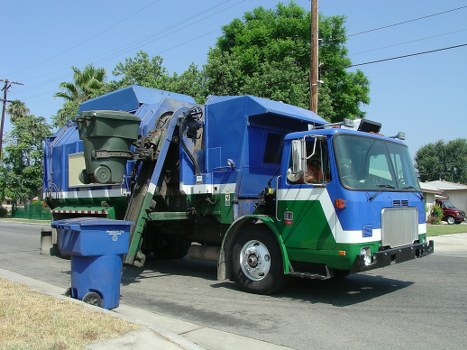 This Modern Slavery Statement sets out Commercial Waste Southend on Sea's commitment to preventing modern slavery, forced labour and human trafficking across our operations and supply chain. We operate a zero-tolerance policy towards any form of exploitation and expect all colleagues, contractors and partners to adhere to the highest ethical standards. This slavery and human trafficking statement explains our approach to risk management, compliance and continuous improvement.
Scope and commitment
Our anti-slavery statement applies to all business activities carried out on behalf of Commercial Waste Southend on Sea and extends to our suppliers, subcontractors and service providers. We require that everyone working with us complies with our zero-tolerance policy on modern slavery. We regularly communicate our expectations through procurement documentation, contractual clauses and staff briefings to ensure the policy is understood and applied.
Due diligence and supplier audits
 We carry out structured due diligence and supplier audits to identify and address risks of modern slavery in the supply chain. Audits focus on key areas including:
- Labour practices and worker documentation
- Recruitment channels and fees
- Working hours, pay and accommodation
- Subcontracting and agency use
Our procurement teams are trained to include anti-slavery checks during supplier selection and contract renewal. We use a risk-based approach, prioritising suppliers in high-risk sectors and jurisdictions, and we require written confirmation of compliance with our modern slavery policy. Strong contractual terms, including audit rights and remediation obligations, are standard in supplier agreements to reinforce expectations and accountability.
 Reporting channels are available to all employees, contractors and third parties who suspect slavery, forced labour or trafficking. We maintain secure and confidential reporting routes, including anonymous whistleblowing mechanisms and internal escalation paths, to ensure concerns are investigated promptly. Reports are handled with sensitivity and in accordance with our non-retaliation stance to protect reporters.
To support awareness, we provide regular training and guidance on identifying risks and recognising signs of exploitation. Personnel in procurement, operations and HR receive targeted briefings, while site managers are instructed on preserving evidence and ensuring safe outcomes for affected individuals. We also encourage suppliers to provide equivalent training to their workforces.
We maintain a program of monitoring and continuous improvement, using audit findings, incident reports and supply chain mapping to refine our controls. Risk registers are updated regularly and form part of our wider compliance framework. Where issues are identified, we work with suppliers on time-bound remediation, and we reserve the right to suspend or terminate contracts where unacceptable practices persist.
 Governance of this anti-slavery programme sits with senior management who review policies and outcomes. An internal working group meets periodically to evaluate performance metrics, oversee supplier audits and coordinate training. The group reports to executive leadership to ensure adequate resources and prompt action when risks are detected.
 This slavery and human trafficking statement is reviewed annually to reflect emerging risks, changes in our operations and lessons learned from audits and reports. Our annual review includes assessment of audit results, remediation effectiveness and updates to procurement controls. The review process ensures our modern slavery statement remains robust, aligned with legal requirements and continuously improving to safeguard workers across our value chain.
Conclusion: Commercial Waste Southend on Sea is committed to eradicating modern slavery and forced labour from our operations and supply chain. Through a zero-tolerance policy, targeted supplier audits, confidential reporting channels and an annual review cycle, we strive to maintain responsible and ethical business practices that protect vulnerable workers and promote transparency.
