Commercial Waste Southend on Sea Health & Safety Policy
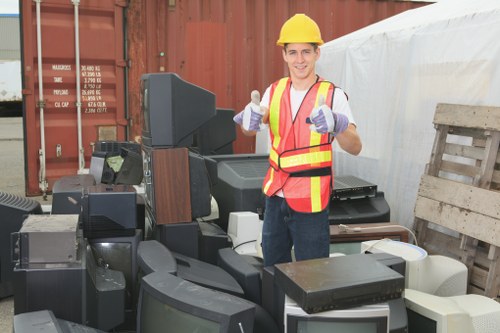 Introduction: The purpose of this Health and Safety policy is to set out the commitment of Commercial Waste Southend on Sea to protect employees, contractors, clients and the public while providing a rubbish company service area and commercial waste services. This policy establishes the principles and responsibilities that govern safe operations, from waste collection to transfer and disposal, and emphasises hazard awareness across all teams engaged in waste removal activities.
Scope and application: This policy applies to all activities conducted by the rubbish collection and removal teams, including vehicle operations, manual handling, bin lifting, recycling segregation and site-based commercial waste handling. It covers permanent staff, temporary workers and subcontractors who operate within our rubbish collection service area. The policy complements statutory obligations and industry best practice without prescribing jurisdictional legal detail.
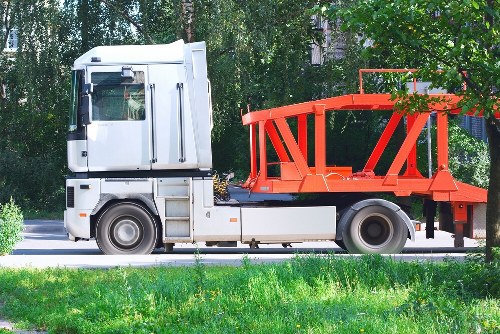 Responsibilities: Senior management retains overall accountability for health and safety and must ensure adequate resources, training and oversight are in place. Line managers are responsible for implementing safe systems of work, ensuring risk assessments are current and supervising route planning and vehicle loading practices. Individual employees must follow procedures, wear specified PPE and report hazards, incidents or near misses promptly to their supervisor so corrective action can be taken.
Risk assessment and control measures: Before any task, competent personnel must perform or reference a current risk assessment for the specific activity. Typical risks for a rubbish company or waste management service area include manual handling injuries, vehicle collisions, slips and trips, exposure to hazardous substances and sharps. Controls must be proportionate and follow the hierarchy: eliminate hazards where possible, substitute or segregate, apply engineering controls, use administrative controls and provide PPE as a last resort.
Training, competence and communication
Training is mandatory for drivers, loaders and depot staff. This includes safe lifting techniques, vehicle loading and securing, traffic management, and safe handling of hazardous or offensive waste. Communication channels must be clear: toolbox talks, daily route briefings and written procedures. Records of training, licenses and certifications must be maintained to demonstrate that personnel are competent for the tasks within the rubbish removal service area.Personal protective equipment and vehicle safety
Employees must use appropriate PPE such as hi-vis clothing, gloves, steel-toe footwear and eye protection when required. Vehicles and equipment must be inspected pre-shift and defects reported immediately. Safe loading practices and route planning reduce reversing and exposure to traffic risks. Maintenance schedules, load-securement checks and secure storage for tools and equipment form part of our operational safety controls.Handling hazardous and special wastes: Where hazardous, chemical or clinical wastes are encountered, staff must follow specific segregation, packaging and manifest requirements. Spill kits and first-response materials must be carried on vehicles operating in the rubbish collection service area. Emergency containment, reporting and correct transfer to authorised facilities are mandatory steps. We emphasise the safe management of sharps and contaminated items to protect operatives and the public.
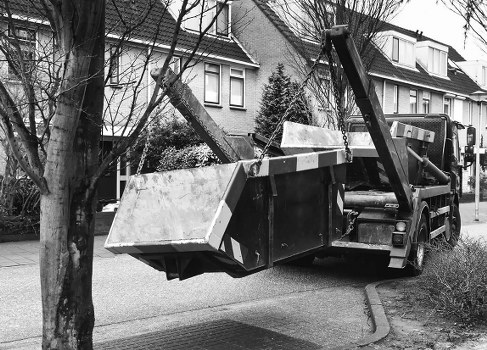 Operational procedures and daily checksDaily checks include vehicle brake, light and tyre inspections, bin-lift operation tests and load-security verification. Supervisors must conduct regular site inspections and spot checks to ensure compliance with safe working procedures. Safe systems of work should be documented and accessible; these documents must be reviewed when processes change, when new equipment is introduced, or after any incident.
 Monitoring, incident management and continual improvement: All incidents, near misses and unsafe conditions must be recorded, investigated and used as learning opportunities. An effective incident management process ensures timely reporting, root cause analysis and the implementation of corrective actions. Performance is monitored through audits, key performance indicators and periodic management reviews. The policy is subject to continuous improvement driven by audit findings, technological advances in waste services and evolving industry practice.
Summary: This Health and Safety policy defines how Commercial Waste Southend on Sea delivers safe rubbish collection, waste removal and commercial waste services while minimising risk to people and environment. It is mandatory for all staff and contractors to comply with the policy, participate in training and contribute to a culture of safety.
