Commercial Waste in Southend on Sea
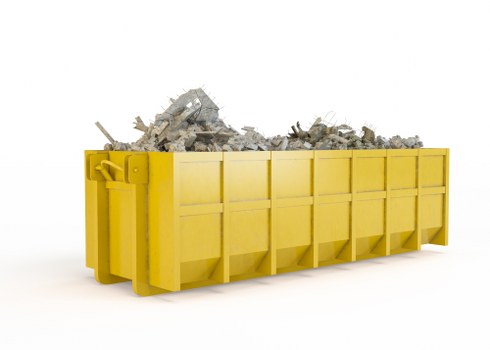
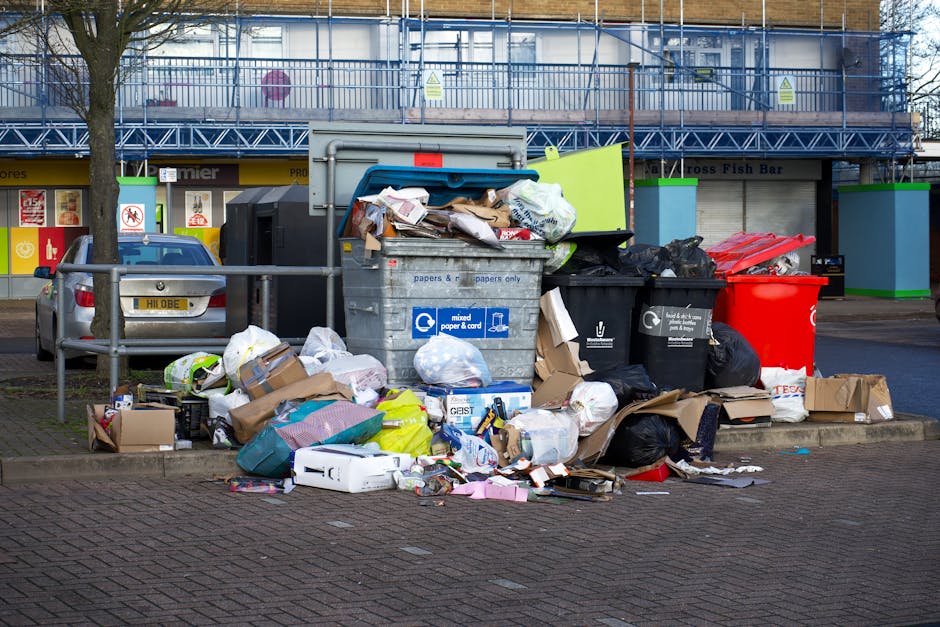
Commercial Waste Southend on Sea provides commercial waste removal for workplaces, shops, hospitality sites, and other business premises that need waste taken away in a clear, practical way. The service covers routine collections as well as one-off clearances, with the emphasis on separating reusable and recyclable material where it is suitable to do so. For organisations planning a tidy-up, move, fit-out, or stock change, the main aim is to keep waste moving out of the way without disrupting day-to-day trading.
The service is designed around the type of waste a business actually produces, rather than forcing everything into one standard approach. That can include office furniture, packaging, archived paperwork, fixtures, shop fittings, and other non-hazardous commercial waste. Where items need sorting before removal, the process is easier when the scope is defined clearly from the start. If you are comparing options, pricing and quotes is a sensible place to look at how the request is handled and what information may matter.
For many businesses, the most useful result is a collection that is straightforward to arrange, easy to understand, and suitable for the building, access, and waste types involved. If you already know the basics of the load, you can make a quicker start by using contact us or by going straight to a request for a quotation when you are ready.
Business Waste Removal for Everyday Premises
Business waste removal is a practical fit for offices, retail units, salons, workshops, and small commercial sites that generate mixed waste over time. The work can include bagged rubbish, cardboard, display materials, unwanted stock, and broken items that no longer need to stay on site. A careful removal plan matters because different premises handle waste differently: some need access through shared entrances, some have loading areas, and some require collections that fit around opening hours or staff movement.
Business waste removal is the page to consult when the waste comes from regular trading rather than a household clear-out. It helps to think about the composition of the load before booking, because mixed business waste is often easier to handle when items are grouped into sensible categories. If your premises also contain confidential papers, electronics, or fixtures that need separate attention, those can be noted so the collection is planned with less confusion.
Useful preparations are usually simple: identify what is staying, what is going, and whether anything is awkward to move or stored in a restricted area. A short list can save time and reduce misunderstandings. In many cases, the best first step is to note the type of waste, estimate how much there is, and decide whether the job is a one-off clearance or part of a repeating pattern.
Office Waste, Furniture and Workspace Clearance

Office waste often includes items that are bulky rather than dirty: desks, chairs, cabinets, shelving, IT peripherals, boxes, paper records, and general clutter from reorganised work areas. The removal work needs to be methodical because office premises may contain narrow corridors, lifts, communal areas, or other features that affect how items can be carried out. A good clearance balances speed with care, particularly where there are shared entrances or other businesses nearby.
The relevant pages for these jobs are the office clearance and furniture clearance options, which are useful when the job is more than a simple rubbish pick-up. Offices often need a combination of removal and sorting: some items are reusable, some are only fit for disposal, and some may need to be separated before they leave the premises. Handling the load properly can make the job easier to plan and easier to complete without leaving stray items behind.
When office space is being reworked, one practical approach is to separate the load into working furniture, obsolete furniture, boxed material, and anything that should be kept back for archive or resale. That makes the collection more orderly and helps avoid accidental disposal of items still needed on site. If the project includes desks, chairs, cupboards, and similar items, clear labelling and grouped placement can make the removal process smoother.
Clearance for Shops, Units and Commercial Interiors
Retail and commercial interiors often need a different type of clearance from standard waste removal because the items are connected to the layout of the premises. Shelving, display units, counters, signage, packaging, and stock remnants may all be involved. The work is usually best planned around the actual contents of the shop or unit, especially where items must be taken out without damaging fixtures that remain in use. If there are goods in storage at the back of the premises, those can be included in the same assessment.
For this kind of work, the more specific service pages can help you choose the right route, especially home clearance for mixed contents and house clearance where domestic and commercial items overlap in a property that is being emptied. Although those pages are not a substitute for a commercial arrangement, they show how different contents are handled by type. That same principle is useful in commercial settings: group the items by what they are, not only by where they are located.
Good clearance decisions usually begin with the type of items present, the access route, and whether the business wants a tidy sweep or a selective uplift. If the job includes both furniture and general waste, it may be more efficient to combine them in one planned collection rather than treating each category separately. This keeps the clearance clearer for everyone involved.
Specialist Item Removal and Separating Waste Streams

Not every item in a commercial premises belongs in the same waste stream. Some loads include appliances, some include mattresses or sofas from managed accommodation, and some include materials that should be handled more cautiously because of their contents or construction. The right service depends on what is actually present, not on a broad label. Where an item can be detached from a building, such as a standalone appliance or piece of furniture, it is usually best to identify it clearly before collection.
The site includes dedicated pages for specific item types such as fridge and appliance removal and mattress and sofa disposal. Those pages are helpful when a business has a mixed load made up of standard refuse and larger items that need separate handling. Some materials may also require different routing because they are heavier, awkward, or unsuitable for a standard mixed uplift. The more clearly each item type is identified, the easier it is to arrange an appropriate removal.
For workplaces that regularly upgrade interiors or replace equipment, it can help to keep a small record of the item types you expect to remove. That does not need to be elaborate; a simple note of appliances, upholstered items, or fixtures is often enough. When you are ready to move ahead, say what needs taking, how it is grouped, and what should remain in place.
Waste from Refits, Strip-Outs and Site Changes
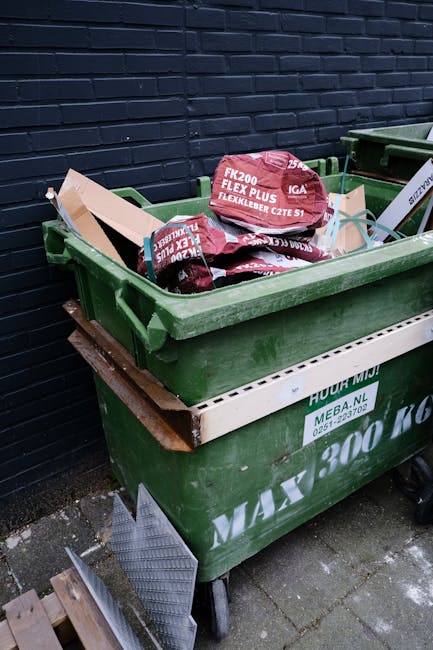
Commercial changes often create short bursts of waste that do not fit neatly into everyday collections. A refit might produce old counters, lengths of timber, packaging, shelving, damaged fittings, offcuts, and mixed rubble from light strip-out work. These jobs are more successful when they are approached as a single planned clearance rather than a series of separate small visits. That way, the work can be matched to the actual contents of the site and the available access.
Where the waste comes from building or alteration work, the builders waste clearance page is a relevant reference point. It is particularly useful when waste contains a mixture of harder materials and lighter debris from fit-out activity. The important thing is to avoid mixing waste types unnecessarily, because that can make the uplift less orderly. If the work includes leftover fixtures as well as general building debris, both should be described so the collection can be set out sensibly.
An organised site tends to make the removal process easier, but the job can still be handled even when the space is not fully sorted. The main decision is whether the waste is being cleared in stages or in one sweep. If you are planning a refit or a closure, it often helps to separate reusable items from disposal items first, then ask for the remaining waste to be taken away in the most practical way.
About Southend on Sea
Southend-on-Sea is a seaside town in Essex on the north side of the Thames Estuary, known for its long frontage to the sea and for the way its built-up centre meets open water, marshland and older coastal settlements. The town grew significantly during the nineteenth and twentieth centuries as transport links and holiday trade expanded, and that growth left a mixture of historic streets, later commercial corridors and residential districts. Its most familiar landmark is Southend Pier, widely recognised as one of the longest pleasure piers in the world, stretching far into the estuary and shaping the town’s identity as much as the shoreline itself. The seafront also includes parks, promenades and leisure spaces that reflect the town’s resort heritage, while the wider urban area contains theatres, churches, civic buildings and a range of retail streets that developed alongside local administration and tourism. Chalkwell and Leigh-on-Sea, which now form part of the broader urban area, contribute their own character through older high streets, conservation areas and access to the estuary edge, while the centre has a more commercial feel with transport interchanges and dense shopping streets. The town’s relationship with the water remains central, whether viewed from the cliff gardens, the foreshore or the surrounding marshes that frame the estuary landscape. That mix of promenade, heritage, local shopping and residential neighbourhoods gives Southend-on-Sea a varied urban texture that is both coastal and metropolitan in character.
House, Flat and Loft Clearance for Mixed Contents

Although the focus here is commercial waste, some jobs involve properties that contain a mixture of domestic and business items, especially when premises are being emptied after a change of use or when storage has built up over time. In those cases, the relevant pages for flat clearance, loft clearance and garage clearance can be useful because they describe different kinds of contained spaces and the way their contents are normally approached. The key point is that the contents matter more than the label on the building.
A clear plan helps when waste sits in awkward places such as roof spaces, stairwells, basements, or enclosed storage rooms. Items may be dusty, unevenly stacked, or difficult to move in one piece. A careful clearance should account for those constraints before the removal starts. If the job includes both personal belongings and commercial waste, it is sensible to mark the items that should remain untouched. That reduces the chance of removing something unintentionally and keeps the work orderly.
Practical planning usually comes down to three things: access, item type, and the amount of sorting required. When those are known, the collection can be set up with fewer surprises. A brief note about what is stored where is often enough to shape the job. If there are fragile or valuable contents nearby, they should be separated clearly from the waste so that the clearance stays focused on the right items.
Recycling, Reuse and Responsible Disposal
Commercial waste work is often easiest to manage when items are divided into categories that can be handled differently. Cardboard, metal, furniture, appliances, paper records and mixed rubbish do not all behave the same way in a clearance. Some materials are more suitable for recycling or reuse, while others simply need responsible disposal. A good commercial removal service therefore depends on sorting, not only on lifting and loading.
The page on recycling and sustainability is relevant when you want to understand how material streams can be treated with more care. It is also worth noting that the exact handling of a load depends on what is present, how it is packed, and whether the business has already grouped items in a workable way. Good separation at source often makes the whole process clearer and reduces the chance of waste becoming more mixed than necessary.
There is no need to overcomplicate the arrangement. In many cases, the simplest approach is to identify the items that can be kept apart, group them where practical, and leave the rest for removal in an organised load. Sorted waste is easier to move, easier to assess and easier to deal with responsibly. If you are unsure where a particular item fits, it is better to mention it early than to leave it hidden in the middle of another pile.
Confidential Materials, Safety and Other Special Considerations

Some commercial loads contain papers or records that should not be treated as ordinary mixed waste. Where that is the case, the confidential shredding page is a useful option to review alongside any wider clearance request. Other jobs may involve heavier items, sharp edges, or materials that need more careful handling during removal. The main requirement is to describe the waste accurately so the collection can be planned around the right kind of contents rather than guessed in advance.
Safety matters most where items are awkward, stacked, or stored in confined spaces. A load may be simple in appearance but still need care if it is behind furniture, in a cupboard, or near a busy area. The pages on health and safety policy and insurance and safety provide a useful indication of how those broader responsibilities are presented on the site. They do not replace a proper description of the waste, but they can help customers understand the sort of care that should be expected around a clearance job.
When preparing a quotation request, it is sensible to give a brief, factual description of the waste and any access limits. You do not need to write a long brief. A few clear details are enough: what the items are, where they are stored, and whether anything needs to stay in place. For a quotation, send the facts and keep the request focused on the actual waste stream.
Book a Commercial Waste Quotation
If your business in Southend on Sea needs waste removed, the easiest way to move forward is to gather the main details and send a straightforward enquiry. The book online page provides a direct route for making that request, while the broader waste removal page suits customers who want to see the main service in one place before choosing the next step. Either way, the same principle applies: the clearer the description of the waste, the easier it is to shape a useful quotation.
It can help to note the type of items, the approximate amount, the location within the building, and any access considerations such as stairs, loading points or restricted entry. If there are mixed categories, mention those too. That gives a better picture of the work involved and helps avoid vague back-and-forth. Short, accurate details are usually enough, especially when the job is already well defined and only needs a practical plan.
To get started, use the contact route that suits you best and ask for a quotation today. If you have already reviewed the pages above, you can now choose the relevant service and request a quotation with confidence.