Commercial Waste Southend on Sea — Recycling & Sustainability
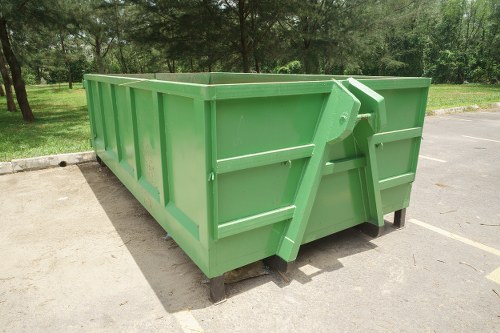 Commercial Waste Southend on Sea is committed to developing an eco-friendly waste disposal area and a genuinely sustainable rubbish area for businesses across the borough. Our approach balances operational efficiency with measurable environmental outcomes: we design commercial waste services that prioritise reuse, recycling and low-carbon logistics while aligning with the borough’s waste separation expectations. Whether you operate a shop on the seafront, a café in the town centre, or an office park in the outskirts, our Southend commercial waste services are structured to reduce landfill, recover materials and cut emissions.
Targets and Performance: Recycling Percentage Target
We publish an ambitious recycling percentage target to drive continuous improvement. Our current corporate aim is to reach a 65% recycling rate by 2030 for commercial collections across Southend-on-Sea. This target is a combination of diverted materials, increased reuse, and better separation at source. To reach this figure we measure tonnages of dry mixed recycling, food waste, glass, paper/card and construction wastes, benchmarking progress every quarter, and reporting outcomes to business customers so they can see their contribution to a cleaner, more sustainable borough.
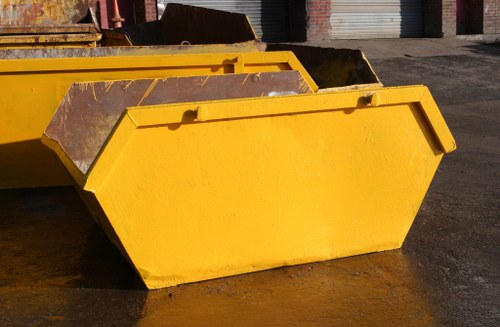 The borough’s approach to waste separation informs our collection models: we work with businesses to establish clearly labelled streams for paper and card, mixed dry recycling, glass, food waste and sometimes garden waste where appropriate. This mirrors the local authority separation principles and makes it easier for your waste to remain in the recycling loop. We also provide guidance on setting up dedicated waste areas that support sorting and minimise contamination.
Local Transfer Stations & Material Handling
Our network uses local transfer stations serving Southend and the wider Essex area to keep journeys short and maintain a low-carbon chain of custody. Collections are consolidated at nearby facilities where materials are sorted, baled and sent to authorised processors. These transfer stations are central to creating an eco-friendly waste disposal area at borough level: they reduce double-handling, reduce vehicle miles, and enable high-quality recycling streams. We coordinate with transfer operators to prioritise remanufacturing routes for recovered materials.
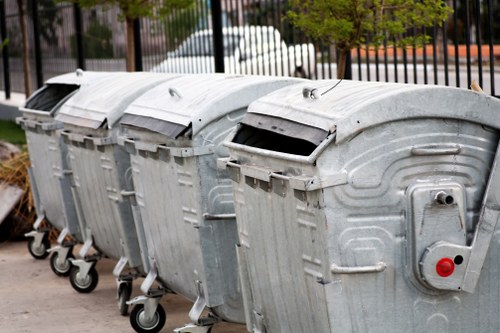 We work with commercially focused local facilities and established hauliers to ensure permitted, traceable processing. For commercial customers producing bulky or specialist waste streams (like inert construction material, WEEE, or commercial food waste), the transfer station model reduces the need for long-haul movements and allows separate handling in accordance with the borough’s environmental policies.
Partnerships with local charities form a key part of our reuse strategy. We collaborate with community reuse organisations and social enterprises to divert reusable furniture, clothing and small electricals from the waste stream. Where items remain in good condition, instead of disposing of them we channel them to charity partners for resale or refurbishment, creating social value and extending product lifecycles.
To support a practical sustainable rubbish area for businesses we also offer dedicated segregation services and regular staff training sessions. These sessions explain the borough’s bin colour coding and separation rules so that commercial teams can reduce contamination rates and increase recyclable recovery. Our team provides clear signage and container solutions to fit different business settings, from hospitality to light manufacturing.
 Fleet and logistics are designed around minimising emissions: we deploy low-carbon vans and a growing number of electric vehicles on short urban routes, complemented by hybrid and Euro-6 compliant trucks for heavier loads. Route optimisation software reduces empty miles and schedules collections to avoid peak congestion near the seafront and major retail zones. Together, these measures reduce operational carbon intensity while maintaining reliable commercial collections.
Our commercial waste Southend services also include targeted recycling initiatives relevant to local needs. Typical activity includes glass collection via separated glass banks for high-street traders, segregated organics collections for hospitality businesses producing food waste, and specialised cardboard compaction services for retailers. By tuning services to the boroughs' separation approach we improve recycling quality and help businesses meet sustainability commitments.
Measurement, transparency and improvement are central to how we work. We provide regular reporting that shows weights per waste stream, contamination incidents and carbon savings from low-emission vehicle use. These reports support the borough’s policy aims and help businesses track progress toward the 65% recycling percentage target. We also offer bespoke audits to identify opportunities for further waste reduction and to create a clearer pathway to a more sustainable rubbish area.
 For businesses seeking tailored packages, Commercial Waste Southend on Sea offers flexible contracts, education on separation methods, and collaborative programmes with local reuse charities to boost circular economy outcomes. Our teams support small and large organisations in meeting regulatory requirements while also contributing to community wellbeing through material donation and reuse schemes.
Commitment to the Borough: We aim to be a trusted partner in Southend-on-Sea’s journey to a cleaner, greener commercial environment. By combining local transfer station partnerships, charity reuse pathways, route electrification and a clear recycling percentage target, our commercial waste services help create a resilient and truly sustainable rubbish area for businesses across the borough. Together we can reduce waste, recover value and lower emissions while supporting the local economy.
